
Yangtze River Import & Export Co., Ltd.
Business Type:Group corporation
Country/Region:China
Ddu Verified
HOT Rank


Yangtze River Import & Export Co., Ltd.
Seek and strive, protect all sentient beings Adhering to the mission of "seeking progress and protecting all sentient beings", taking "becoming a leading and world-class pharmaceutical and health indu


Business Type:Group corporation
Country/Region:China
Ddu Verified
HOT Rank
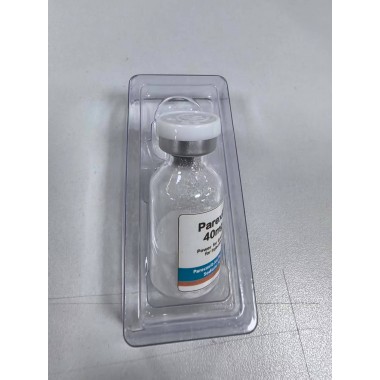
Panaxib 40mg powder for solution for injectionPACKAGE INSERT
IGenerie Name]
Parecoxib Sodium for Injection
[Components]
Active ingredient:parecoxib sodium
Excipients:disodium phosphate,phosphoric acid (for regulating pH value)
[Strength]
40mg (calculated as parecoxib)
[Deseription]
The product is white or almost white lyophilized cake or powder.
Aferreconstitution,the liquid is a clearcolorles solution.
[Indieation]
Management of post-operative pain in the immediate post-operative setting only with the exception of patients undergoingcoronary artery bypass grafting(CABG)procedures and in those patients with elevated cardiovascular risk,such as thosewith congestive heart failure(NYHAII-IV,established ischaemic heart disease and/or cerebrovascular disease.
[Dosage and Administration]
"There is limited clinical experience with parecoxib treatment beyond three days."
Parecoxib may be administered as single o multiple IV.or IM.doses on a regula or as needed schedule.After initiation oftherapy,dosage should be adjusted based on patient response.Clinical studies with parecoxib were conducted using up to 7days of treatment.Parecoxib is only indicated for patients with a need for parenteral therapy and for whom a similar benefitcouldnot be obtained from alterntive oral therapy.It is recommended that patients be transitioned to alternative oraltherapy as soon asclinically indicated.
As the cardiovascular(CV)risk of cyclooxygenase-2(COX-2)specific inhibitors may increase with dose andduration ofexposure,the shortest duration possible and the lowest effective daily dose should be used.However,the relevance of thesefindings for the short-term use of parecoxib in the post-operative seting has not been evaluated
·Management of Acute Pain:The recommended single or initial dose for treatment of acute pain is 40mg,
administered eithe IV.o IM.,followed by 20mg or 40mg every 6 to 12 hours,as required,up to a maximum dailydosage of 80mg.TheIV bolus injectionmay be given directly into a vein or into an existing IV line.The IM injectionshould be given slowly and deply into the muscle.
Concmirant Use with Opioid Analgesics:Opioid analgesicscan be used concurrently with parecoxib,dosing asdescribed above.In clinical trials,the daily requirementfor opioids was significantly reduced(20%-40%)whenco-administered with parecoxib.An optimal efect is achieved when parecoxib is given prior to opioid administration.In allclinical assessments,parecoxib was administered at a fixed time interval whereas the opioids were administeredon as needed basis(PRN).
Elderly:No dosage adjustment is generally necessary.However,for elderly patientsweighing less than 50kg,it isadvisable to reduce the initial dose of parecoxib by 50%.The maximum daily dose should be reduced to 40mg in elderlypatients weighng less than 50kg.
Hepatic impairment No dosage adjustment is necessary in patients with mild hepatic impairment(Child-Pugh ClassA)Treatment with parecoxib should be initiated atthe lowest recommended dose in patients with moderate hepaicimpairment (Child-Pugh Class B).
Patients with severe hepatic impairment(Child-Pugh Class C)have not been studied.The use ofparecoxib in these patientsis not recommended.
Renal impairment:Inpatients with severe renal impairment(creatinineclearance<30mL/minute),or patients who may bepredisposed to fluid retention,parecoxib should be initiated at the lowest recommended dose and the patient's kidneyfunction closely montored.
Co-administrarion with Flucomazole:Whenparecoxib is co-administered with fuconazole,thelowest recommended doseof parecoxib should be used.
Pediaric Patients:Safety and efcacy have not been esablished in children under18years of age.
Instruction for using and handling fincluding discarding):
Parecoxib Sodium for Injection must be reconstituted before use.Due to containing no preservative,aseptic technique isrequired for preparing.
Reconstincrion solvents:
Acceptable solvents for reconstitution of Parecoxib Sodium for Injection are:Sodium chloride solution 9mg/ml (0.9%);
Glucose injection 50mg/ml(5%);
Reconsinution proces:
Use aseptic technique to reconstitute lyophilized parecoxib powder(as parecoxib).
Remove the flip-off cap to expose the central portion of the rubber stopper of the 40mg parecoxib vial.Withdraw,with asterile nedle and syringe,2ml of an acceptable solvent and insert the needle through the central portion of the rubberstopper transfering the solvent into the 40mg vial.Dissolve the powder completely using a gentle swirling motion andinspect the reconstiuted product before use.The entire contents of the vial should be withdrawn for a singleadministration.
Afer reconstitution,the liquid should be a clear solution.Parecoxib should be inspected visually for particulate matter anddiscoloration prior to administration.The solution should not be used if discolored or cloudy,or if particulate matter isobserved.
IE line solurtion conpatibilioy
After reconstitution with aceptable solvents,Parecoxib may only be injected IV or IM,or into IV lines delivering:Sodium chloride 9mg/ml(0.9%)solution for injectionv/infusion;
Glucose 50mg/ml(5%)solution for infusion;
Injetion into an IV line delivering or other IV fuids not listed above,is no recommended as this may cause precipitation
from solution.
For single use only.Any unused medicinal product or waste material should be disposed of in accordance with local
requirements.
lncompariblities;
Parecoxib sodium should not be admixed for injection with any other drug.
Use of Ringer-Lactate solution for injection or glucose 50mg/ml(5%)in RingerLactate solution for injection forreconstitution will cause the Parecoxib to precipitate from solution and therefore is not recommended.Use of water for injection is not recommended,as the resulting solution is not isotonic.Parecoxib should not be injected into an IV line delivering any other medicinal product.The IV line must be adequatelyflushed prior to and afer Parecoxib injection with a solution of known compatibilityInjection into an IV line delivering glucose 50mg/ml(5%)in Ringer-Lactate solution for injection,or other IV fuids notlisted in lnstruction for tasing and handling inchuding discardingl,is not recommended as this maycause pecipitationfromsolution.
[Adverse Reactions]
Events oceurring (very common)
Gastrointestinal disorders:nausea
Events occurring(Common)
Gastrointestinal disorders:abdominal pain,constipation,dyspepsia,vomiting
General disorders and administration site conditions:edema peripheral
Infections and infestations;alveolar osteitis(dry socket)Nervous system disorders:diziness
Psychiatric disorders:insomniaRenal and urinary disorders:oliguria
Skin and subecutaneous tissue disorders:sweating increased,pruritus
Vascular disorders:hypotension
Events occurring (Uncommon)Gastrointestinal disonders:mouth dry,flatulenceMusculoskeletal and connective tissue disorders:back painCardiae disonders:bradyeardiaJnfections and infestations:pharyngitisSkin and subcutaneous tisue disonders:rashVascular disorders hypertension
Events oecurring(Rare)
Cardiac disorders:myocardial infarction
Earand labyrinth disorders:earache
Gastrointestinal disorders:esophagitis,gastroesophageal reflux,hypoactive bowel sounds,pancreatitis,perioralswellingGeneral disorders and adninistration site condition:injection sitepain,injection site reaction,asthenianmune system disorders:anaphylactoid reaction
Investigations:BUN inereased,creatine phosphokinase increased,creatinine increase,LDH increasedInjury.poisoning and procednural complications:skin post-operative complicationsMetabolism and nutrion disorders:anorexia,byperglycemia
Musculoskeletal and connective rissue disorders:arthralgiaNervous systen disorders:cerebrovascular disorder
Psychiatric disorders:agitation
Renal and urinary disorders:renal failure acute
Respiratory;thoracie and mediastinal disorders:embolism pulmonarySkin and subcufaneous tisue disorders:ecchymosis,urticariaFaoculerdisoders:byertension agravate,hypotension potural
Following coronary artery bypass graf surgery,patients administered parecoxib have a higher risk of adverse events,suchas cardiovascular thromboembolic events (e.8.,myocardial infarction and cerebrovascular accident),deep surgicalinfections orstermal wound heling complictions.
Post-marketing Surveillance
In post-marketing experience,the following rare,serious adverse events have been reported in association with the use ofparecoxib:circulatory collase,erythemamultifome,Stevens-Johnson syndrome,renal failure,and hypersensitivityTeactions inchuding anaphylaxis and angioedema.
In post-marketing experience,in addition to the severe cutaneous adverse reaction erythema multiforme andStevens-Johnson's syndrome,toxic epidermal necrolysis has been reported in association with the use of valdecoxib andcannot be nuled out for parecoxib.
[Contraindications]
Parecoxib is contraindicated in:
·Patients with known hypersensitivity to parecoxib or to any other ingredient of the product.
·Patients who have demonstrated allergic-type reactions to sulfonamides.
·Patients who have experienced asthma,urticaria,orallergic-type reactions afeor taking acetylsalicylic acid (aspirin)
or non-steroidal anti-inflammatory drugs(NSAIDs),including other cyclooxygenase-2(COX-2)specific inhibitors.
·Severe hepatic impairment (serum albumin<25g/Lor Child-Pugh score≥10).
·The third trimester of pregnancy and breast-feeding
·Active peptic ulceration or gastroitestinal(GI)bleeding.
·Inflammatory bowel disease.
·Congestive heart failure (NYHAI-IV).
·Treatment of post-operative pain following coronary artery bypass graft(CABG)surgery.
·Established ischaemic heart disease,peripheral arterial disease and/or cerebrovascular disease.
[Warnings and Preautions]
Risk of GI Ulceration,Bleeding and Perforation with NSAID
Serious GI toxicity such as bleeding,ulceration and perforation can occur atany time,with or without warning symptoms,in patients treated with NSAID therapy.Although minor upper Gl problems(e.g.dyspepsia)are common,usuallydeveloping early in therapy,prescribers should remain alert for ulceration and bleoding inpatients treated with NSAIDseven i the absence ofprevious GI trac symptoms.
Studies to date have not identified any subset of patients not at risk of developing peptic ulceration and bleeding.Patientswith prior history of serious GI events andother risk factors associated with peptic uler disease (eg alcoholism,smoking,and corticosteroid therapy)are at increased risk.Elderly or debilitated patients seem to tolerate ulceration or bleeding lessthan otherinividuals and acoun for most spontancous repots for atalGlevents
Administration Other than IV or IM
Modes of administration other than IV o IMhave not been studied and should not be used.
Cardiovascular Effects
COX-2 inhibitors,of which parecoxib is one,have been associated withan increased riskofcardiovascular and thromboticadverse events when taken long-term.The relative increase of this risk appears to be similar in those with or withoutknown CV discase orCVrisk factors.However,patients with known cardiovascular disease or CVrisk factors may be atgreater risk in terms of absolute incidence,due to their increased rate at baseline.The exact magnitude of the riskassociated with a single dose has not been determined,no has the exact duration of therapy associated with increased risk,
Coronary artery bypass graft(CABG)surgery showed that patients receiving parecoxib for a minimum of 3 days followedby oral valdecoxib(the active metabolite of parecoxib)for7 to 14 days,had increased incidence of cardiovascular/throm-boembolic events(e.g,myocardial infarction and cerebrovascular acident).Parecoxib is therefore,contraindicated for thetreatment of post operauvepain imediatelyfllowing CABG surgery.
Gastrointestinal(GI)Effects
Upper gastrointestinal(GD)perforations,ulcers,or bleeds have occurred in patients treated with parecoxib.Patients most atrisk of developing these types of GI complications with NSAIDs are the elderly,patients with cardiovascular disease,orpatients with a history of,or active,GI disease,such as ulceration,bleeding,or inflammatory conditions;or patients usingconcomitant aspirin.The NSAIDs class is also asociated with increased GiI complications when co-administered withcorticosteroids,selective serotonin reuptake inhibitors,other antiplatelet drugs,or other NSAIDs or patients ingestingalcohol,however,there are curenty no specife parecoxib clinical dat.
Skin Effects
Valdecoxib,the active moiety of parecoxib,contains a sulfonamide moiety and patients with a known history of asulfonamide allergy may be at a greater risk of skin reactions.Patients without a history of sulfonamide allergy may also beat risk fo serious skin reactions.
Serious skin reactions,including erythema multiforme and Stevens-Johnson syndrome,have been reported through
post-marketing surveillance in patients reeivingparecoxib.In addition to erythema multiforme and Stevens-Johnson
syndrome,toxic epidermal necrolysis has been reported through post-marketing surveillance in patients receivingvaldecoxib.Fatalities due to Stevens-Johnson syndrome and toxic epidermal necrolysis have been reported with valdecoxib
and the potential cannot be ruled outfor parecoxib.
Drug reaction with cosinophilia and systemic symptomssyndrome(DRESS syndrome)may occur with parecoxib exposurebased on other seriousskin reactions reported with celecoxib and valdecoxib exposure.
Patients appear to be at highest risk for these events early in the course oftherapy,with the onset of the event ocuring in
the majority of cases within the first twoweeks of treatment.Parecoxib should be discontinued at the firstappearance of
skin rash,mucosal lesions or any other sign of hypersensitivity.Serious skin reactions have been reported with otherCOX-2 inhibitors during post-marketingexperience.The reported rate ofthese events apears to be greater for valdecoxib
as compared to other COX-2 agents.
Anaphylactoid Reactions
Hypersensitivity reactions(anaphylactie reactions and angioedema)have been reported in post-marketing experience withvaldecoxib and parecoxib.These reactions have occured in patients with and without a history of allergic-type reactions tosulfonamides.
Severe HypotensionCases of severe hypotension shortlyfollowing parecoxib administration have been reported in post-marketing experiencewith parecoxib.Some of these cases have occurred without other signs of anaphylaxis.The practitioner should be preparedtotreat severe hypotension.
Use with OCral Anticoagulants
The concomitant use ofNSAIDs with oral anticoagulants increases the risk of bleeding.Oral anticoagulants includewarfarin/coumarin-type and novel oral anticongulants (e.g,apixaban,dabigatran,and rivaroxaban).
Co-administration of parecoxib with warfarin caused a small increase in the AUC of warfarin,and also in the prothrombintime(measured by Intermational Normalized Ratio [INRJ).While mean INR values were only slightly increased withco-administration of parecoxib,the day-to-day variability in individual INR values was increased.Anticoagulant activityshould be monitored,particularly during the first few days after initiating parecoxib,in patients receiving warfarin orsimilar agents,since these patients may b at increased risk of bleeding complications.
Hypertension
As with all NSAIDs,parecoxib can lead to the onset of new hypertension or worsening ofpre-existing hypertension,citherof which may contribute to the increased incidence of cardiovascular events.NSAIDs,including parecoxib,should be usedwith caution in patients with hypertension.Blood pressure should be monitored closely during the initiation of therapy withparecoxib and throughout the course oftherapy.
Fluid Retention and Edema
As with other drugs known to inhibit prostaglandin synthesis,fluid retention and edema have been observed in somepatients taking parecoxib.Therefore,parecoxib should be used with cution in patients with compromised cardiac function,pre-existing edema or other conditions predisposing to,or worsened by,fuid retention including those taking diuretictreatment orotherwise at risk ofhypovolemia.
Renal Effects
Acute renal failure has been reported through post-marketing surveillance in patients receiving parecoxib.Renal functionshould be closely monitored in patients with advanced renal disease who are administered parecoxib,
Caution should be used when initiating treatment in patients with dehydration.It is advisable to rehydrate patients first andthen stat therapy with parecoxib.
Hepatic Effects
Patients with severe hepatic impairment(Child-Pugh Class C)have not been studied.The use of parecoxib in patients withsevere hepatic impaimment is not recommended.Parecoxib should be used with caution when treating patients withmoderate hepatic impairment(Child-Pugh Class B),and initiated at the lowes recommended dose.
A patient with symptoms and/or signs of liver dysfunction,or in whom an abnormal liver function test has occured,shouldbe monitored carefully for evidence of the development o a more severe hepatie reaction while on therapy with parecoxib.
General
By reducing inflammation,parecoxib may diminish the utility of diagnostic signs,such as fever,in detecting infections.The concomitant use of parecoxib with other non-specific NSAIDs should be avoided.
[Pregnaney and Lactation]
Pregnancy;
Parecoxib sodium is suspected to cause serious birth defects when administered during the last trimester of pregnancybecause as with other medicinal products known to inhibit prostaglandin,it may cause premature closure of the ductusarteriosus or uterine inertia.
NSAID use during the second or third trimester of pregnancy may cause foetal renal dysfunction which may result inreduction of amniotic fluid volume or oligohydramnios in severe cases.Such effects may occur shortly after treatmentinitiation and are usually reversible upon discontinuation.Pregnant women on NSAIDs should be closely monitored foramniotic fuidvolume.
Parecoxb is contraindicated in the third trmester of pregnancy.
There are no adequate data from the use of parecoxib sodium in pregnant women or during labour.However,inhibition ofprostaglandin synthesis might adversely affect pregnancy.Data from epidemiological studies suggest an increased risk ofmiscarriage after use of prostaglandin synthesis inhibitors in early pregnancy.
In animals,administration of prostaglandin synthesis inhibitors,including parecoxib,has been shown to result in increasedpre-and post-implantation loss and embryo-foetal lethality.During the first and second trimester of pregnancy,Parecoxibshould not be given unless clearly necessary.
Lactation;
Parecoxib and its active metabolite are excreted in the milk of lactating rats.Administration of a single dose of parecoxib tolactating women resulted in the transfer of a relatively small amount of parecoxib and its active metabolite into breast milk,and this resulted in a low relative dose for the infant (less than 1%of the weight-adjusted matenal dose).Because of thepotential for adverse reactions in nursing infants from parecoxib,a decision should be made whether to discontinue nursingor to discontinue the drug,taking into account the importance of the drug to the mother.
Ferility:
The use of parecoxib,as with any medicinal product known to inhibit cyclooxygenase/prostaglandin synthesis,is notrecommended in women attempting to conceive.
Based on the mechanism ofaction,the use ofNSAIDs,may delay or prevent rupture ofovarianfoliceles,which has beenassociated with reversible infertility in some women.In women who have diffieulties conceiving or who are undergoinginvestigation ofinfertility,withdrawal of NSAIDs,including Parecoxib should be considered.
[Drug Interactions]
General
The drug interaction studies were performed with either parecoxib or the active moiety(valdecoxib).In humans,parecoxib undergoes extensive hepatic metabolism involving P450 isoenzymes 3A4 and 2C9,and non-P450dependent pathways (i.e.,glucuronidation).Concomitant administration of parecoxib with known CYP3A4 and 2C9inhibitors can result in increased AUC of parecoxib.
Drug-specifie
Interaction ofparecoxib with warfarin or similan agents:See setion Warnings and Precautions.
Fhuconazole and ketoconazole:Co-administration offuconazole,a CYP2C9 inhibitor,and ketoconazole,aCYP3A4inhibitor,enhanced the AUC of valdecoxib by 62%and 38%,respectively.When parecoxib is co-administered withfluconazole, the lowest recommended dose of parecoxib should be used. No dosage adjustment is necessary whenparecoxib is co-administered with ketoconazole.
Anti-Hypertensives incluading ACE-inhibitors,angiotensin I antagonists,beta blockers and diuretics:Inhibition ofprostaglandins may diminish the effect of angiotensin converting enzyme (ACE)inhibitors,angiotensinIl antagonists,beta-blockers and diuretics.This interaction should be given consideration in patients receiving parecoxib concomitantlywith ACE-inhibitors,angiotensinI antagonists,beta-blockers and diuretics.
In patients who are elderly,volume-depleted(including those on diuretic therapy),or with compromised renal function,co-administration of NSAIDs,including selective COX-2 inhibitors,with ACE inhibitors and/or angiotensinIantagonists,may result in deterioration of renal function,including possible acute renal failure.These effects are usually reversible.
Therefore,the concomitant administration of these drugs should be done with caution.Patients should be adequatelyhydrated and the need to monitor the renal function should be assessed at the beginning of the concomitant treatment andperiodiall thereafter.
Diuvretics:NSAIDs,in some patients,can reduce the natriuretic effect of furosemide and thiazides by inhibition of renal
prstaglandin synthesis.
Cclosporine:Because oftheir effecton renal prostaglandins,NSAIDs may increase the risk of nephrotoxicity with
cyclosporine.
Methorexate:Apharmacokinetic interaction study was conducted usingvaldecoxib and methotrexate and no clinicallyimportant interactions were seen.However,caution is advised when methotrexate is administered concurently withNSAIDs,because NSAID administration may result in increased plasma levels ofmethotrexate.
Orher:Interaction studies were conducted between parecoxib and LV.or oral ,heparin,propofol.Interaction studies were also conducted between valdecoxib and glibenclamide (glyburide),oral contraceptives(ethinyl estradiol/norethindrone),phenytoin,omeprazole .No cliniclly important interactions were seen inthese studies.
Parecoxib may be co-administered with opioid analgesics.The daily requirement for PRN opioids was significantlyreduced when co-administered with parecoxib.
No formal interaction studies were performed with parecoxib and inhalation anesthetic agents,such as nitrous oxide andisofurane;however,no evidence of a drug interaction was observed in clinical studies.
Parecoxib does not interfere with the anti-platelet effect of low-dose aspirin.Because ofits lack of platelet effects,parecoxib is not a replacement for aspirin in the prophylactic treatment of cardiovascular disease.
[Overdose]
Reporting of overdose with parecoxib has been associated with adverse reactions which have also been described with
recommended doses of parecoxib.
In case of overdose,patients should be managed by symptomatic and supportive care.Valdecoxib is not removed byhaemodialysis.Diuresis or alkalisation of urine may not be useful due to high protein binding of valdecoxib.
[Effects onAbility to Drive and Use Machine]The effet of parecoxib on ability to drive or use machinery has not been studied.
[PHARMACOLOGICALPROPERTIES]
Pharmacodynamic Properties
Parecoxib is a prodrug of valdecoxib.Valdecoxib is an NSAID that exhibits anti-inflammatory,analgesic and antipyreticproperties in animal models.The mechanism of action is believed to be due to inhibition of prostaglandin synthesisprimarily through inhibition of COX-2.At therapeutie plasma concentrations in humans valdecoxib does not inhibitcyclooxygenase-1(COX-1).
[Pharmacokinetics]
Following IV or IM injection,parecoxib is rapidly converted to valdecoxib,the pharmacologically active substance,by
enzymatic hydrolysis in the liver.
Absorption
Exposure of valdecoxib following single doses of paecoxib,as measured by both the areaunder the plasma concentration
vs.time curve(AUC)and peak concentration(C-),is approximately linear in the range of clinical doses.AUC and Cmfollowing twice daily administration is linear up to 50mg IV and 20mg IM.Steady state plasma concentrations of
valdecoxib were reached within 4 days with twice daily dosing.五
Following single IV and IM doses of parecoxib sodium 20mg.C-of valdecoxib is achieved in approximately 30 minutesand approximately 1 hour,respectively.Exposure to valdecoxib was similar in terms ofAUC and Cm following IV and IMadministration.Exposure to parecoxib was similar after IV or IM administration in terms ofAUC.Average C of parecoxibafter IM dosing was lower compared to bolus IV dosing,which is atributed to slower extravascular absorption after IMadminisration.These decreases were not considered clinically important since Cm of valdecoxib is comparable after IMand IV parecoxib sodium administration.
Distribution
The volume of distribution of valdecoxib after its IV administration is approximately 55 litres.Plasma protein binding isapproximately 98%over the concentration range achieved with the highest recommended dose,80mg/day.Valdecoxib,butnot parecoxib,is extensively partitioned into erythrocytes.
Metabolism
Parecoxib is rapidly and almost completely converted to valdecoxib and propionic acid in vivo with a plasma half-life ofapproximately 22minutes.Elimination of valdecoxib is by extensive hepatic metabolism involving multiple pathways,including eytochrome P450(CYP)3A4 and CYP2C9 isoenzymes and glucuronidation(about 20%)of the sulfonamidemoiety.A hydroxylated metabolite of valdecoxib(via the CYPpathway)has been identified in human plasma that is activeas a COX-2 inhibitor.It represents approximately 10%of the concentration of valdecoxib;because of this metabolite's lowconcentration,it is not expected to contribute a significant clinical effect after administration of therapeutic doses ofparecoxib sodium.
Elimination
Valdecoxib is eliminated via hepatic metabolism with less than 5%unchanged valdecoxib recovered in the urine.Nounchanged parecoxib is detected in urine and only trace amounts in the facces.About 70%ofthe dose is excreted in theurine as inactive metabolites.Plasmaclearance (CLp)for valdecoxib is about 6L/h.After IV or IM dosing of parecoxib,theelimination half-ife (tia)of valdecoxib is about 8 hours.
Elderly
Paecoxib has been administered to 335 elderly patients (65-96 years of age)in pharmacokinetic and therapeutic trials.Inhealthy elderly subjects,the apparent oral clearance of valdecoxib was reduced,resulting in an approximately 40%higherplasma exposure of valdecoxib compared to healthy young subjects.When adjusted for body weight,steady state plasmaexposure of valdecoxib was 16%higher in elderly female compared to elderly males.
Renal impairment
In patients with varying degrees of renal impairment administered 20mg IV Parecoxib,parecoxib was rapidly cleared fromplasma.Because renal elimination of valdecoxib is no important to its disposition,no changes in valdecoxib clearancewere found even in patients with severe renal impairment or in patients undergoing dialysis.
Hepatic impairment
Moderate hepatic impairment did not resul in a reduced rate or extent of parecoxib conversion to valdecoxib.In patientswith moderate hepaic impairment(Child-Pugh score 7-9),treatment should be initiated with half the usual recommendeddose of Parecoxib and the maximum daily dose should be reduced to 40mg since valdecoxib exposures were more thandoubled(130%)in these patients.Patients with severe hepatic impairment have not been studied and therefore the use ofParecoxib in patients with severe hepatic impairment is not recommended.
[Storage]
Store below 30℃.The reconstituted solution is for single use only,and should not be frozen or refrigerated.
After reconstitution:From a microbiological point of view,the product should be used immediately.If not usedimmediately,the in-use storage times and the conditions prior to use are the responsibility of the user.
[Package]
5ml type i clear glass vial made of middle borosilicate glass ubing,halogenated butyl nubber stoper,aluminum-plasics
combination caps. 1 vial/box
[Manufacturer]Yangtze River Pharmaceutical Group Guangzhou Hairui Pharmaceutical Co., Ltd.No.31,Xiangshan Rd,Guangzhou Science City,High&New Technology Industries Development Zone,Guangzhou,Guangdong Province,China.
[Date of Revision]
25/08/2023